

What is aromatherapy and why smell matters
Smell is one of the most underestimated elements that influence our well-being. Although we often focus on the appearance of interiors, wall colors or decorations, it is the aroma that largely creates the atmosphere of the room and determines how we feel in it. Aromatherapy, the use of natural scents (usually essential oils) to improve health, mood and comfort, has a long history dating back to antiquity. Today it is coming back into favor in a modern form - as an element of everyday life, relaxation and conscious care for the atmosphere at home. Interestingly, our sense of smell is directly connected to the limbic system in the brain - the area responsible for emotions and memory. This is why one scent can immediately take us back to childhood, while another can evoke a feeling of calm or stimulation. That's why aromatherapy and carefully selected scents can actually change your mood, influence your concentration and make the interior more cozy, fresh or romantic.
How scent affects emotions and well-being
Smell works faster than images or sounds. We don't analyze it - we feel it immediately. This is what makes aromatherapy such an effective mood-building tool.
The influence of smell on emotions
Different aromas can trigger specific emotional responses:
- Lavender scent - calms, reduces stress and helps sleep
- Citrus fruits (orange, lemon, grapefruit) - add energy and improve mood
- Vanilla - associated with warmth, safety and home atmosphere
- Mint - stimulates and supports concentration
It is no coincidence that specific fragrance compositions are used in spas and wellness rooms - their task is to put the client into a state of relaxation and relaxation.
Smell and concentration and productivity
Some aromas help focus attention and improve work efficiency:
- Rosemary - supports memory and concentration
- Eucalyptus - Refreshes the mind and improves clarity of thinking
- Lemon - increases alertness and energy
That's why more and more people use aromatherapy not only for relaxation, but also while working remotely or studying.
Smell and the feeling of comfort
A well-chosen fragrance can make even a simple interior pleasant and "full of life". This is especially important in the fall and winter, when we spend more time at home. The scent acts as an invisible layer of arrangement - subtle, but extremely important.
How aromas change the atmosphere of different rooms
Each room in the house has a different function, so it is worth matching the scent to its character.
Bedroom – a space for relaxation and tranquility
The bedroom should be conducive to rest and regeneration. Delicate, soothing aromas work best here:
- Lavender
- Chamomile
- Ylang-ylang
- Vanilla
These scents help you calm down, reduce tension and prepare your body for sleep.
It is worth avoiding intense, stimulating aromas that may make it difficult to fall asleep.
Living room – the heart of the house and meeting space
The living room is a place to relax, talk and spend time together. The scent should be universal and pleasant for all household members.
The following will work well:
- Woody notes (cedar, sandalwood)
- Delicate spices (cinnamon, cloves)
- Fresh citrus accents
Scented candles in the living room not only introduce a pleasant aroma, but also create an atmosphere - especially in the evening.
Kitchen – freshness and lightness
In the kitchen, it is worth choosing scents that neutralize unpleasant aromas and add freshness:
- Lemon
- Lime
- Mint
- Basil
These aromas make the space seem cleaner and more hygienic.
Bathroom – home spa
The bathroom is the perfect place to create a relaxation zone.
The best choices are:
- Eucalyptus - refreshing and cleansing
- Lavender - Calming
- Tea Tree - Associated with purity
A few drops of oil in a diffuser or a scented candle can turn an ordinary bath into a ritual of relaxation.
The most popular fragrances and their effects
Aromatherapy offers a wide range of scents, but some of them are particularly popular.
Relaxing scents
- Lavender - stress reduction, better sleep
- Vanilla - feeling of security and warmth
- Sandalwood - calming
Stimulating scents
- Lemon - energy and freshness
- Grapefruit - mood improvement
- Mint - refreshment and concentration
Fragrances that improve your mood
The choice of fragrance should always be individual - what works for one person will not necessarily work for another.
How to use scented candles and other scented accessories
Scented candles are one of the simplest and most pleasant ways to introduce aromatherapy to your home.
Scented candles – atmosphere and functionality
In addition to fragrance, they also offer light that creates atmosphere:
- perfect for evening relaxation
- create a cozy interior atmosphere
- can have a decorative function
It is worth choosing candles made of natural waxes (e.g. soy), which burn slower and are less harmful to the air.
Unique fragrance compositions: strawberry and Tantra Magic from Magnetifico
In the world of aromatherapy, not only classic essential oils are becoming more and more popular, but also more complex fragrance compositions that combine different notes and create a unique interior atmosphere. Among them, it is worth paying attention to the scent of juicy strawberry and the intriguing Tantra Magic mixture from Magnetifico.
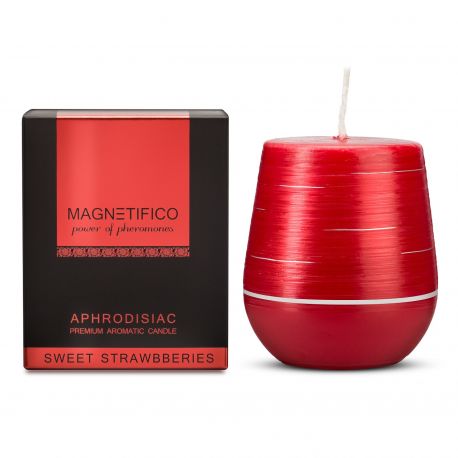
Strawberry is its opposite - light, sweet and energizing. It introduces a joyful atmosphere, improves the mood and works great in the living room or kitchen, especially during the day.
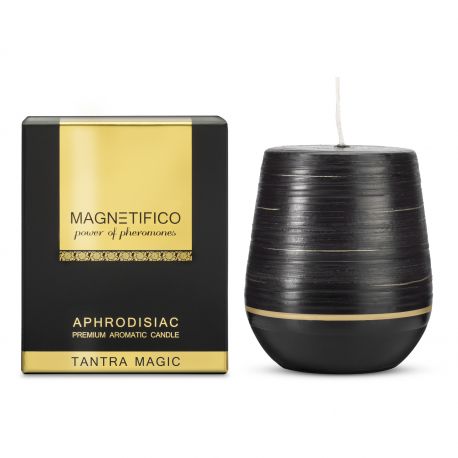
Tantra Magic from Magnetifico is a more sensual, oriental composition. It creates a romantic atmosphere, highlights special moments and gives the interior a mysterious, attractive character.
Other ways to aromatize the interior
- Fragrance Diffusers - Constant, gentle scent release
- Scented fireplaces - more intense aromatic experiences
- Essential oils - for massage, bathing or inhalation
- Scented sprays - quick room refreshment
Each of these methods has its own application and can be adapted to the lifestyle and needs of household members.
Practical tips: how to create a pleasant atmosphere at home
Introducing aromatherapy into everyday life does not require major changes. Just a few simple steps.
- Match the scent to the function of the room - different aromas will work well in the bedroom, others in the living room
- Don't mix too many scents at once - it can cause chaos and discomfort
- Choose natural ingredients - essential oils and good quality candles
- Change scents seasonally - e.g. citrus in summer, warm spices in winter
- Test and observe reactions - aromatherapy is very individual
Small rituals, big effect
It is worth introducing simple scent rituals:
- lighting a candle in the evening
- using the oil before bed
- refreshing the living room before meeting guests
Small actions like these can significantly improve the quality of your everyday life.
Conclusion: fragrance as an element of lifestyle
Aromatherapy is more than just a pleasant smell in your home. It's a way to consciously build the mood, take care of our mental comfort and create a space in which we really feel good.
A properly selected aroma can change the perception of an interior - make it more cozy, fresh, elegant or romantic. It can have a calming effect after a long day, give you energy in the morning or help you concentrate while working.
In a world full of stimuli and rush, scent becomes a subtle but extremely effective tool for regaining balance.
Quick summary and tips
- Aromatherapy directly affects emotions and well-being
- The scent can change the atmosphere of the interior and the way it is perceived
- It is worth matching the aromas to the function of the room
- Scented candles are a simple way to create a cozy atmosphere
- Natural fragrances support relaxation, concentration and comfort
Sometimes one well-chosen scent is enough to turn an ordinary room into a place you really want to come back to.
Comments
Log in or create an account to post a comment.