

Berberine and the ketogenic diet – a duo that is gaining more and more recognition
More and more people interested in a healthy lifestyle, weight reduction and stabilization of sugar and insulin metabolism are paying attention to the combination of berberine and the ketogenic diet. Both of these elements work in a different way, but they can complement each other, creating a synergy effect. Properly introduced berberine supplementation can provide real support, especially in the first stages of the keto diet, when the body learns to use fat as the main source of energy. However, this requires knowledge of the mechanisms of action, potential limitations, and proper dosage.
Why berberine?
Berberine is a natural alkaloid obtained from plants such as barberry or goldenseal. In scientific studies, it supports the regulation of glucose levels, improves insulin sensitivity and reduces the concentration of "bad" LDL cholesterol. Moreover, it activates the key enzyme AMPK - a specific "metabolic switch" that increases the body's ability to burn fat and improves cellular efficiency. For people on a ketogenic diet, this means easier entry into ketosis, more stable energy levels and fewer appetite fluctuations.
Ketogenic diet in brief
Keto is a nutrition model characterized by a very low supply of carbohydrates (usually below 20–50 g per day) and a high proportion of fats. This breakdown of macronutrients forces the body to burn ketones and free fatty acids instead of glucose. The effect is not only stabilization of blood sugar levels, but also reduced appetite and faster fat loss.
Synergy of berberine with the keto diet
The combination of berberine with a ketogenic diet seems particularly promising. Both elements go in the same direction - towards better insulin sensitivity, stable glucose levels and effective fat burning. People using this combination often emphasize additional benefits:
- less appetite for sweets and carbohydrates,
- faster adaptation to ketosis,
- easier to maintain a diet without energy drops,
- beneficial effect on the blood lipid profile.
Curiosities and mechanisms of action
Berberine does not only support the sugar economy. Its action also covers the area of intestinal microbiota. Regular supplementation promotes the growth of beneficial bacteria and increases the production of short-chain fatty acids, which support the feeling of satiety and regulation of metabolism. The first noticeable effects on body weight and BMI may appear after 8-12 weeks of supplementation with doses above 1000 mg per day. Activation of the AMPK enzyme by berberine allows for better use of cellular energy reserves and more intensive fat burning. The effects of supplementation are particularly pronounced when using a ketogenic diet in parallel, which also stimulates AMPK on its own. Both the ketogenic diet and berberine have high metabolic potential. The combination of these two elements can help you lose weight, improve health parameters and effectively control your blood sugar levels. However, the key is to introduce supplementation wisely, know the contraindications and be patient - visible results do not appear overnight, but in the long run they bring significant benefits.
Practical tips and tricks
Berberine is a supplement with great health potential, but to fully benefit from its effects, it is worth following a few rules:
- It is best to take berberine with a meal with moderate fat content - this improves its absorption and reduces the risk of stomach problems.
- The effectiveness of berberine can be further enhanced by combining it with other substances supporting metabolism, such as silymarin from milk thistle (liver protection), vitamins D3 and K2 (supporting calcium and immune metabolism) or chromium (regulating appetite and glycemia).
- Continuous use of berberine for many months is not recommended. Standard treatment lasts 8-12 weeks, after which it is worth taking a break so that the body does not get used to its effects.
FAQ – frequently asked questions
Can berberine be combined with a ketogenic diet?
Yes, it's a great supplement, especially at the beginning of your keto adventure. Berberine and the ketogenic diet mutually enhance each other's metabolic effects.
Are their effects increasing?
Yes, both methods support blood sugar control, increase fat burning and promote stable energy.
When is the best time to take berberine – in the morning or in the evening?
It can be used both in the morning and in the evening, but the most important thing is to do it with a meal.
Can there be any side effects?
In some people, with prolonged use or too high doses, digestive system problems may occur: diarrhea, constipation or stomach discomfort.
What should berberine not be combined with?
Be careful when using drugs that lower blood sugar levels, such as metformin - taking them without consulting a doctor may be risky.
Can everyone use berberine?
No. The supplement is not recommended for pregnant or breastfeeding women or people with serious liver diseases unless they consult a doctor first.
Sample connection diagram
- ketogenic diet,
- berberine (in cycles of 8–12 weeks),
- silymarin for liver support,
- vitamins D3 and K2,
- chromium supporting appetite control,
- adequate water supply and taking care of regeneration through sleep.
Valuable starting tips
Berberine is an extremely valuable supplement, but - like any substance that supports metabolism - it will not replace a healthy lifestyle. You will get the best results if you combine it with a nutritious diet, regular physical activity and a conscious approach to your body. Therefore, treat berberine as a complementary element, not as a miracle solution to all metabolic problems. The results of supplementation are much better if you also ensure an adequate amount of sleep, proper regeneration and stress reduction - these are the pillars that support proper hormonal balance and metabolism. Don't forget the importance of healthy intestinal flora. The absorption of nutrients, the feeling of satiety and the body's reaction to supplements depend on it. A diet rich in vegetables, fiber, pickles and prebiotics promotes better use of the effects of berberine. If you struggle with chronic diseases, such as insulin resistance, type 2 diabetes or hypertension, consult a dietitian or doctor before starting supplementation. Combining berberine with a ketogenic diet is a solution especially recommended for people who want to start losing weight, struggle with insulin resistance, have problems with sudden energy drops or have difficulty controlling hunger attacks. However, it is worth approaching this combination with caution - each body reacts individually and requires adapting the dose and intake schedule to its own needs.
Rules for safely combining berberine with the keto diet
- Dosage: The standard amount is 500 mg of berberine 2-3 times a day. It is best to take it before meals - in the case of a ketogenic diet, especially with dishes high in fat. A total daily dose of 1,500 mg should not be exceeded.
- Potential interactions: Berberine may interact with some medications. Particular caution should be exercised with antidiabetic drugs (e.g. metformin), anticoagulants, antibiotics, antidepressants, NSAIDs, and preparations used after transplantation. Additionally, you should avoid combining it with alcohol and grapefruit juice, which may intensify undesirable reactions.
- Contraindications: The use of berberine is not recommended for pregnant women, breastfeeding women, children, people suffering from liver disease or having very low blood pressure.
- Periodicity of supplementation: Berberine treatment should last from 8 to 12 weeks. After this time, a break is recommended to avoid the accumulation of substances in the body and to give the body the opportunity to regenerate.
Berberine is a valuable addition to the ketogenic diet, which can support fat burning, blood sugar stabilization and appetite control. However, the key is appropriate dosage, observing supplementation breaks and caution in the event of potential drug interactions. If you combine the supplement with a diet rich in valuable nutrients, regular activity and healthy regeneration - the effect will be the most satisfying.
Best practices and tips for berberine on a ketogenic diet
Berberine can be safely combined with many ingredients that additionally support the effectiveness of the ketogenic diet. Popular combinations contain minerals and phytonutrients such as chromium, magnesium and curcumin, which together with berberine create synergistic support for the metabolism. To maximize the absorption of berberine, it is recommended to take it just before or during a meal containing healthy fats. Such products include, for example, avocado, nuts, olive oil and fatty fish - these fats support the bioavailability and effect of the supplement. Before starting berberine supplementation, it is worth consulting a doctor, especially if you are taking any medications on a regular basis, to avoid possible adverse interactions.
Synergistic supplements worth using with keto and berberine
- Chromium – improves insulin sensitivity and supports glucose control. It is often found together with berberine in supplements dedicated to people on a ketogenic diet.
- Alpha-lipoic acid (ALA) – enhances the effect of berberine in regulating sugar and lipid levels, strengthens metabolism and has antioxidant properties.
- Cinnamon – has a complementary effect in regulating carbohydrate metabolism and helps reduce insulin resistance.
- Garcinia cambogia and Banaba - natural extracts supporting appetite control and regulation of fat and glucose metabolism.
- Gymnema sylvestre – supports glucose metabolism and protects pancreatic cells.
- Curcumin and piperine (from black pepper) – increase the bioavailability of berberine and have anti-inflammatory effects, which support metabolic health.
- Magnesium – prevents muscle cramps, supports carbohydrate metabolism and is one of the important minerals recommended on the keto diet.
- Collagen and electrolytes (sodium, potassium, calcium) – key to maintaining water and electrolyte balance and supporting the health of joints and muscles during keto.
- Probiotics and prebiotics - ensure proper intestinal microflora, which is of great importance in the context of berberine supplementation and a low-carbohydrate diet.
Supplements supporting the ketogenic diet
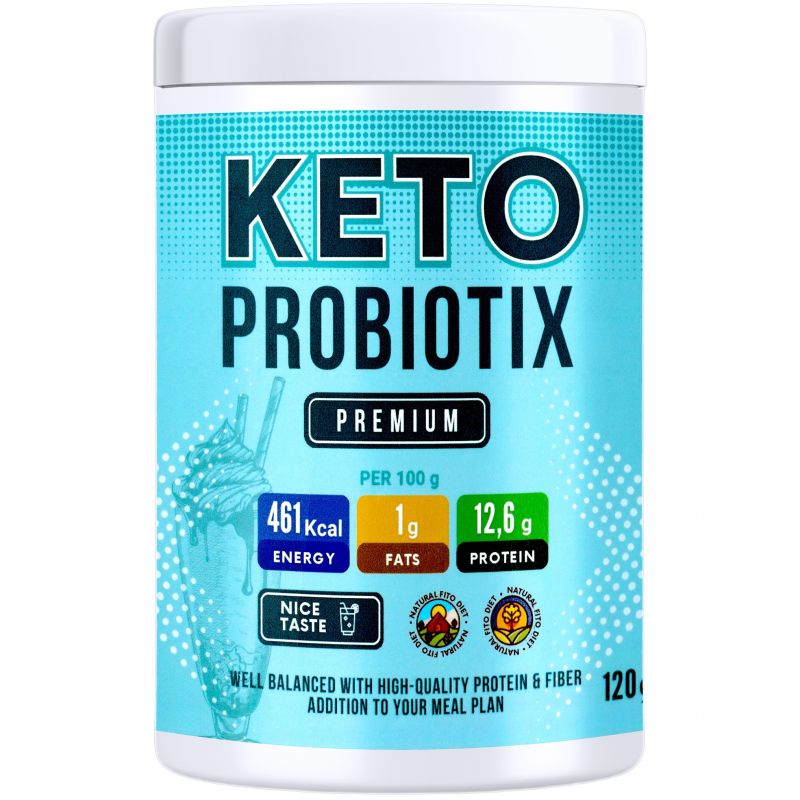
Keto Probiotix (capsules or powder)
This is a comprehensive supplement addressed to people following a ketogenic diet who want to support weight loss and improve their well-being during weight loss. The preparation contains specially selected active ingredients that not only support healthy metabolism, but also optimize digestive processes and support the natural cleansing of the body. Keto Probiotix is an ideal solution for those who are looking for a simple and convenient means of daily supplementation during keto adaptation and during its maintenance.

KetoSlim New Edition
This supplement was created to accelerate fat burning processes and support weight loss. It is especially recommended for people starting a ketogenic diet who want to enter the state of ketosis faster, as well as for those who struggle with stagnation in effects and need an additional metabolic impulse. KetoSlim New Edition helps break stagnation, supports appetite and adds energy while losing weight.

Berberine Supplements
BERBERINE 1500 mg
This is a premium product based on a high concentration of natural berberine HCL extract - 750 mg of berberine in one capsule, which gives a daily dose of up to 1,500 mg. This supplement supports metabolism, helps control blood sugar levels and maintains cardiovascular health. It is fully vegan, free from artificial additives, and the product quality is confirmed by international ISO 22000 and HACCP certificates. Thanks to its high purity and effectiveness, BERBERINE 1500 mg is an excellent choice both for people on a ketogenic diet and for those who expect a product of the highest quality.
Keto supplementation suggestions with berberine
The ideal support for the ketogenic diet is a combination of supplements such as Keto Probiotix or KetoSlim New Edition with high-quality berberine, for example BERBERINE 1500 mg. This combination helps to reduce body weight more effectively, improves carbohydrate metabolism, improves digestive comfort and protects the intestinal microflora, which is especially important during a low-carbohydrate diet.
Additionally, it is worth considering supplementing with magnesium, which prevents muscle cramps and supports energy levels, as well as electrolytes such as sodium, potassium and calcium. Including vitamin D3 in your daily plan helps prevent deficiencies that often appear on a keto diet and affect the overall condition of the body.
Supplements should be used in accordance with the manufacturer's recommendations. It is best to take berberine in a dose of 1 capsule 1-2 times a day before meals, and other keto supplements according to the instructions on the package. Remember to drink your supplements with an appropriate amount of water for better absorption and gastrointestinal comfort.
Adverse symptoms and procedures for discontinuing supplementation
Although berberine is generally a safe supplement, overdose or intolerance may cause symptoms such as diarrhea, nausea, vomiting, abdominal pain, drowsiness, shortness of breath, and in extreme cases, convulsions. If such symptoms occur, discontinue use immediately and contact your doctor.
Whenever in doubt, especially in the case of chronic diseases, supplementation should only be carried out under the supervision of a specialist. The safety of combining berberine with a ketogenic diet depends on strict adherence to recommended doses, caution when using medications concurrently, and regular health monitoring.
Comments
Log in or create an account to post a comment.