

Joint pain – causes, symptoms and ways to alleviate the symptoms
Joint pain is a problem that can effectively take away the joy of everyday life. Sometimes it starts innocently enough - mild discomfort after a long day of work or intense training. Other times it appears suddenly and refuses to go away, making even the simplest activities difficult, such as walking, bending or lifting objects. Interestingly, joint problems are no longer just the domain of older people. They increasingly affect young people - especially those leading a sedentary lifestyle or, on the contrary, training intensively without adequate regeneration. Understanding the causes of joint pain and learning effective methods of alleviating it is the key to maintaining fitness and comfort for many years.
What are joints and why are they so important?
Joints are places where bones connect. Thanks to them, we can move, bend our limbs, turn our heads and make precise hand movements. Each pond consists of several elements:
- articular cartilage, which absorbs movements
- joint capsule, protecting the structure of the joint
- synovial fluid, reducing friction
- ligaments and stabilizing muscles
Healthy joints function smoothly and painlessly. The problem occurs when one of these elements becomes overloaded, damaged or inflamed.
The most common causes of joint pain
Joint pain can have many sources - from trivial overloads to more serious diseases.
Overloads and micro-injuries
This is one of the most common causes of pain, especially in physically active people or those who perform repetitive movements at work.
- standing or sitting for long periods of time
- intense training without regeneration
- weightlifting
Degenerative changes
As we age, articular cartilage gradually wears out. It becomes thinner and less flexible, leading to pain and stiffness.
Inflammation
Arthritis may be the result of:
- autoimmune diseases (e.g. rheumatoid arthritis)
- infection
- overloads
Injuries
Sprains, dislocations or ligament damage may cause long-term pain.
Overweight
Excess body weight increases the stress on the joints, especially the knees and hips.
The impact of lifestyle on joint health
Lifestyle is of great importance for the condition of the musculoskeletal system.
Sedentary lifestyle
Lack of exercise causes the muscles that stabilize the joints to weaken. This, in turn, increases the risk of overload and pain.
Excessive activity
Too intense training without proper regeneration may lead to micro-injuries and inflammation.
Age
With age:
- the production of synovial fluid decreases
- cartilage loses elasticity
- regeneration takes longer
Overweight and obesity
Each additional kilogram is a greater burden on the joints. Particularly suffer:
- knees
- hips
- spine
Symptoms of joint overload
It's worth learning to recognize warning signs:
- pain that worsens with movement
- stiffness after rest
- limited range of motion
- feeling of "shooting" in the joints
- swelling and tenderness
Ignoring these symptoms can lead to more serious problems.
Home remedies to relieve joint pain
You don't always have to take medications right away. In many cases, simple home methods are helpful.
Hot and cold
- cold compresses reduce inflammation
- warm compresses relax the muscles
Rest and relief
Give your joints time to regenerate, especially after exercise.
Gentle massage
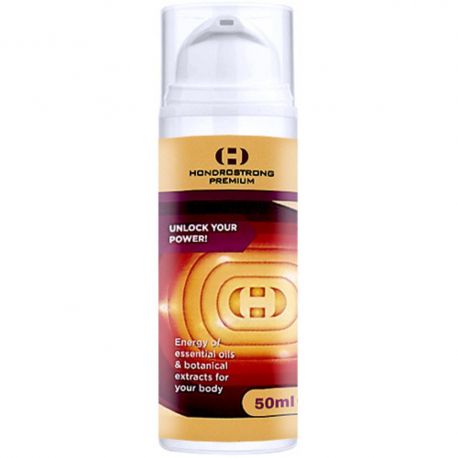
May improve circulation and reduce muscle tension. Local preparations such as HONDROSTRONG Ointment or Hondro Sol Ointment are helpful in daily care, as they support the comfort of muscles and joints and may bring a feeling of relief after a long day or physical exercise.
Ointments for joints and muscles
Hondro Sol Ointment is a preparation for local use that supports the comfort of joints and muscles in everyday functioning. It can be helpful after physical exercise, prolonged sitting or feeling stiff, bringing pleasant relaxation and supporting the regeneration of overloaded areas. Regular use is a good way to take care of the musculoskeletal system, especially in active people or those exposed to overload.

HONDROSTRONG Ointment is a product intended for the care of places that require special attention, such as knees, back and shoulders. It helps relieve discomfort, improves the feeling of lightness of movement and can be used as support after an intense day or training. It fits well into the regeneration routine, helping to maintain fitness and comfort of everyday movement.
Relaxation baths
A warm bath with mineral salts helps relax muscles and reduce tension.
The importance of exercise, diet and regeneration
Healthy joints need a balance between activity and rest.
Movement is the key
Regular activity:
- strengthens muscles
- improves joint flexibility
- increases the production of synovial fluid
The best forms of exercise are:
- walking
- swimming
- yoga
- cycling
Joint support diet
It is worth taking care of nutrients:
- collagen
- vitamin C
- omega-3 fatty acids
- vitamin D
Avoid:
- excess sugar
- processed foods
- trans fat
Regeneration
Sleep and rest are crucial for tissue repair.
Natural methods of supporting joints and muscles
More and more people use natural ways to take care of the musculoskeletal system.
- plant extracts (e.g. arnica, comfrey)
- essential oils
- preparations for topical use
Ointments and gels, such as Hondro Sol Ointment or HONDROSTRONG Ointment, can be part of your daily routine - especially after physical activity or when you feel stiff.
Prevention of joint problems
Prevention is better than cure - this is especially true when it comes to joints.
- maintain a healthy weight
- move regularly
- avoid overloads
- take care of work ergonomics
- do strengthening exercises
The most common mistakes that worsen joint condition
Some habits can significantly accelerate joint problems:
- no warm-up before training
- ignoring the pain
- sitting for many hours without a break
- carrying heavy objects incorrectly
- no regeneration
Summary
Joint pain is a signal that should not be ignored. It may result from overload, lifestyle or natural aging processes. The key to healthy joints is balance: adequate exercise, proper diet, regeneration and daily prevention. Natural methods and topical preparations that help maintain comfort of movement may also provide support.
FAQ – frequently asked questions
1. Why do my joints hurt when the weather changes?
Changes in atmospheric pressure can affect joint tissues, causing stiffness and pain.
2. Does joint pain always mean a disease?
No. It is often the result of overload or lack of exercise, but chronic pain should be consulted with a doctor.
3. How to quickly relieve joint pain?
Cold compresses, rest and a gentle massage or use of a topical preparation may be helpful.
4. Does physical activity help your joints?
Yes - as long as it is moderate and regular.
5. What products support joint health?
These are rich in collagen, vitamin C, omega-3 and natural preparations used topically.

Comments
Log in or create an account to post a comment.