

Ketogenic diet – what is it and what are its effects?
The ketogenic diet is a way of eating based on low carbohydrate intake and high fat intake. It has gained great popularity among people trying to lose weight and athletes, mainly due to its potential in reducing body fat and improving the body's performance.
Its basis is fats, but the following items are eliminated from the menu: cereal products, yogurts, most fruits and starchy vegetables. In recent years, there have been reports that the ketogenic diet may support the treatment of some diseases. However, it should be emphasized that its effectiveness in this area requires further, solid scientific research.
It is worth being aware that using a ketogenic diet may be associated with various health consequences and should not be implemented without appropriate specialist supervision.
How does the keto diet work?
The main principle of the ketogenic diet is to significantly reduce the supply of carbohydrates, which leads to switching the metabolism to an alternative source of energy - ketone bodies. They are a product of fat metabolism and, next to glucose, can serve as fuel for the body.
Due to carbohydrate deficiency:
• blood glucose levels drop,
• insulin secretion decreases,
• the production of ketone bodies in the liver increases.
This phenomenon is called nutritional ketosis. While it may provide metabolic benefits in the short term, staying in ketosis for long periods of time carries the risk of ketoacidosis, a potentially health-threatening condition.
Basic principles of the ketogenic diet:
In its classic form, the ketogenic diet is based on a very high proportion of fat in the diet. The daily menu consists of approximately 90% fat, 6% protein and only 4% carbohydrates. The purpose of this breakdown of macronutrients is to put the body into a state of ketosis, i.e. burning fats as the main source of energy.
In addition to the classic version, there are also other modifications of the ketogenic diet:
• MCT (Medium Chain Triglycerides) diet: is characterized by a high fat content (approx. 73%), of which 30-60% are medium chain fatty acids (MCT), which are metabolized faster and more easily used as an energy source.
• Modified Atkins diet: contains approximately 60% fat, 30% protein and 10% carbohydrates. It is less restrictive than classic keto and better tolerated by some people.
• Low glycemic index diet: assumes consuming 10% of carbohydrates exclusively from products with a glycemic index below 50, while maintaining 60% of fats in the diet.
The common denominator of all varieties of the ketogenic diet is the predominance of fats as the main source of energy while limiting carbohydrates.
Potential benefits of the ketogenic diet:
The ketogenic diet, although based on high fat intake and low carbohydrate intake, may have some health benefits. The best documented clinical application of the keto diet is its role in the treatment of drug-resistant epilepsy in children. Studies have shown that in many patients this diet can significantly reduce the frequency of seizures, and in approximately 10-15% of children it leads to almost complete disappearance of seizures.
Research is also ongoing on the use of the ketogenic diet in the treatment of other diseases, such as:
• obesity and type 2 diabetes,
• Parkinson's and Alzheimer's disease,
• amyotrophic lateral sclerosis (ALS),
• recovery from stroke.
However, it is worth noting that most of these reports are preliminary and have not yet been confirmed in large clinical trials. Therefore, the ketogenic diet should not be considered as first-line therapy without consulting a doctor.
One of the most frequently observed benefits of the keto diet is weight loss. This mechanism may result from several factors: increased feeling of satiety after fat, decreased appetite and increase in total energy expenditure during adaptation to ketosis.
Ketogenic diet – how to start safely?
Starting a ketogenic diet should be preceded by a consultation with a doctor or dietician. Only a specialist can assess whether there are any health contraindications and whether it is possible to achieve the expected benefits in your case. After implementing a high-fat diet, it is necessary to continue monitoring your health - both your subjective well-being and the results of laboratory tests. If necessary, the specialist may recommend appropriate supplementation or adjustments to the menu.
If disturbing symptoms appear (weakness, digestive disorders, deterioration of mood) or control tests show deviations from the norm, the diet should be immediately modified or discontinued completely.
Supplements supporting the ketogenic diet.
The ketogenic diet is an effective weight loss method, but to achieve the best results and avoid unwanted side effects, it is worth reaching for appropriate supplemental support. In the Ferosup.pl store you will find products that support metabolism, improve digestion and accelerate fat burning.
- Keto Probiotix – 30 capsules
Dietary supplement supporting healthy weight loss and figure improvement. It contains carefully selected probiotic strains that support the functioning of the digestive system and contribute to better fat absorption in the ketogenic diet. Regular use can help reduce weight and improve digestive comfort.

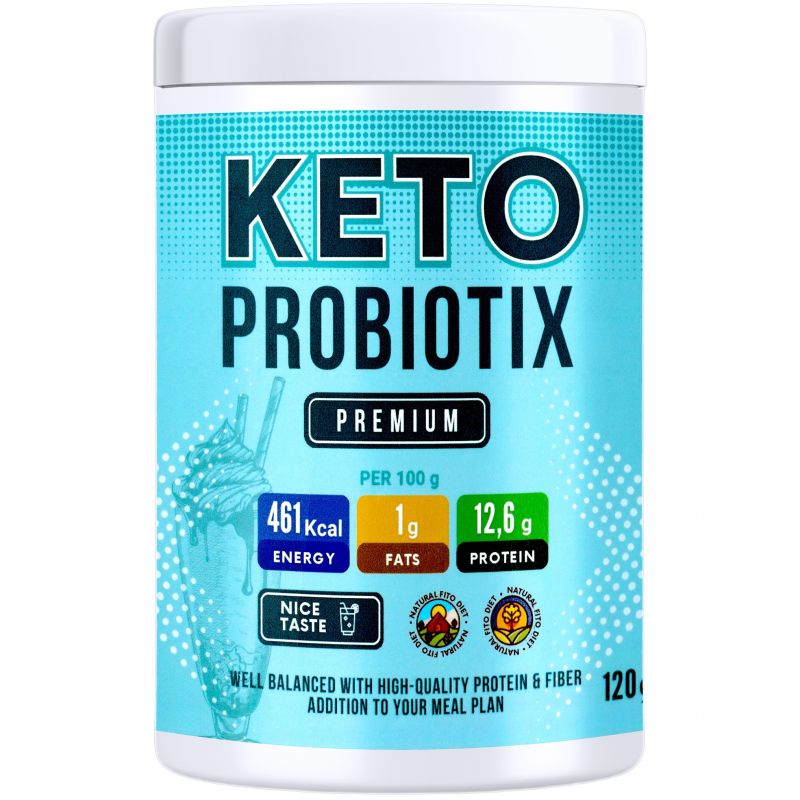
- Keto Probiotix powder – 120 g
A convenient, powdered form of the supplement, ideal for use as a drink or addition to cocktails. The combination of probiotics and ingredients supporting metabolism supports weight control, reduction of body fat and improves intestinal function. It is an excellent choice for people who want to take care of the balance of microflora and obtain better effects of the keto diet.
- KetoSlim New Formula – 30 capsules
Formula designed for people who want to burn fat faster and lose weight. Contains active ingredients supporting thermogenesis and reducing appetite. It can make it easier to enter a state of ketosis and improve your overall well-being while reducing calories.

- Ketomorin – 30 capsules
A natural supplement based on plant extracts, supporting the weight loss process. It helps reduce appetite, improves metabolism and supports body cleansing. Recommended as a supplement to the ketogenic diet and other reduction diets.

What tests are worth doing on the keto diet?
Regular laboratory tests while following a ketogenic diet help avoid deficiencies of key nutrients, such as:
• potassium, sodium, magnesium,
• vitamin D,
• folic acid and other B vitamins.
A standard testing package for people on the keto diet should include:
• blood count,
• fasting glucose level,
• lipid profile (total cholesterol, HDL, LDL, triglycerides),
• liver tests (ALT, AST),
• concentration of electrolytes and selected vitamins,
• general urine test.
The tests are best performed in the morning, on an empty stomach. You can go to a collection point or use the convenient option of home diagnostics - more and more laboratories offer collections delivered to the patient, even 7 days a week. The results are most often available online, often on the same day.
What to eat on a ketogenic diet?
The ketogenic diet is based mainly on products rich in fats and low in carbohydrates. The following items are allowed on the menu:
• fatty meat (pork, beef, mutton),
• poultry meat (e.g. duck, chicken with skin),
• fish, especially fatty fish (salmon, mackerel, sardines),
• eggs,
• ripening and full-fat cheeses,
• cream, butter, mayonnaise,
• nuts and seeds,
• vegetable oils (e.g. coconut, olive oil, MCT),
• low-starch vegetables, such as: cauliflower, broccoli, kale, zucchini, cucumber, spinach, cabbage.
What to avoid on the keto diet?
In a ketogenic diet, products rich in sugar and starch should be excluded, which may disturb the state of ketosis. The following are not recommended:
• sweet drinks (including fruit juices),
• cereal products (bread, pasta, rice, cereals),
• sweets and processed snacks,
• most fruits (especially bananas, grapes, apples),
• legumes (peas, beans, lentils),
• corn, potatoes and other starchy vegetables.
Summary:
The ketogenic diet is an effective but demanding form of nutrition that can bring real health benefits and support the weight loss process. The key to its safe use is proper preparation, regular monitoring of the body and conscious dietary choices. Remember that you will achieve the best results by combining a diet with specialist care and the support of appropriate supplements.


Comments
Log in or create an account to post a comment.