

What affects women's libido? The key role of hormones
In most women's lives there are moments when the desire for sex clearly decreases or undergoes sudden fluctuations. There can be many reasons, but one of the most common culprits is stress. It affects not only the psyche, but also processes occurring throughout the body, including hormonal balance. How does stress change sexual drive and which hormones are most important?
Which hormone is responsible for female libido?
Sex drive in women depends largely on hormones such as testosterone, estrogen and oxytocin. Although testosterone is most often associated with men, it also plays an important role in the female body. Its low level may result in reduced libido. On the other hand, oxytocin, called the "cuddle hormone", supports building emotional bonds and a sense of closeness, which translates into a better quality of intimate life. Stress affects hormonal balance by increasing the production of cortisol, which lowers testosterone levels. As a result, a woman may experience a lack of interest in sex, which often leads to frustration and low self-esteem.
Low libido in women – less obvious causes
Stress is a common cause of decreased sexual drive, but it is not the only factor that can affect women's libido. It is worth remembering that its reduction may also result from other sources, such as:
- Hormonal disorders – e.g. hypothyroidism or polycystic ovary syndrome (PCOS)
- Emotional problems – including depression, anxiety or low mood
- Difficulties in relationships – lack of closeness, conflict, feeling of being underestimated
- Fatigue – both physical and mental
- Side effects of medications – including: antidepressants, contraceptive pills or some antihypertensive drugs
Often it is not a single factor, but a combination of factors that causes a weakened libido. That is why it is so important to determine which of them play the greatest role in a specific case and select appropriate actions.
Stress
Chronic stress can be one of the main factors that reduce libido. When daily worries about work, finances or other issues create constant tension, the body begins to produce stress hormones such as cortisol. They make it difficult to relax and enjoy your intimate life. Cortisol activates the "flight or fight" response, releasing adrenaline and glucose into the blood, which shifts energy to fighting the threat at the expense of reproductive function. If stress persists for a long time, this response becomes continuous, taking a toll on energy, motivation and causing physical symptoms such as muscle tension and fatigue. All this can prevent you from getting into the right mood for sex.
Hormonal changes
Hormones such as estrogen, progesterone and testosterone are crucial for libido. When they are in balance, sexual desire is at a higher level. However, hormonal changes, e.g. resulting from age, may result in a decrease in libido. During perimenopause and menopause, estrogen levels decrease, which can lead to vaginal dryness and discomfort during intercourse. At the same time, a decrease in testosterone may result in less interest in sex.
Relationship problems
Tensions in a partner relationship often suppress desire. Unresolved conflicts, lack of open communication, or broken trust can create emotional distance that easily translates into physical distance. If you don't feel safe and close to your partner, it's natural for your desire for intimacy to diminish.
Alcohol, smoking and other stimulants
A meta-analysis of over 50,000 women showed that alcohol consumption increases the risk of female sexual dysfunction by as much as 74%. A glass of wine or a cocktail can help you relax, but drinking too much has the opposite effect - it lowers your sex drive over time. Alcohol, being a depressant, slows down the reactions of the nervous system, which makes it difficult to feel arousal. Cigarette smoking negatively affects libido, among others. by causing hormonal fluctuations and deterioration of circulation in the genitals. Recreational drug use can cause lasting changes in sexual functioning, affecting both the nervous and hormonal systems. Abuse of stimulants in any form can gradually reduce desire.
Basic health problems
Chronic health conditions can cause physical symptoms that make sex less comfortable or less attractive. The partner's health also affects libido. Negative past experiences and mental health, such as depression, anxiety or unfavorable body image, can also reduce the desire for intercourse. If you suspect that your sexual dysfunction has a medical or psychological cause, it is worth consulting a doctor or therapist. Early diagnosis of the cause makes it easier to choose effective help and restore satisfaction with your intimate life.
Sudden increase in libido in women – when does it appear?
Although it is more common to talk about a decrease in libido, there are situations when its level suddenly increases. The most common causes are:
- Ovulation – associated with increased levels of estrogen and testosterone
- A new relationship or a revival of emotions in a current relationship
- Making healthy lifestyle changes such as physical activity, meditation, improving your diet
- Stress reduction resulting from rest, vacation or effective therapy
Some cases of a sudden increase in libido may also be the result of hormonal changes or the result of taking medications, so it is worth monitoring unusual symptoms and consulting a specialist when doubts arise.
How to increase libido in women?
Improving libido requires a holistic approach covering both the body and psyche. The key is to reduce stress, which can be achieved by:
- Regular relaxation techniques, such as yoga or meditation
- Adequate amount of sleep and regeneration
- Open conversation with your partner about your needs and emotions
It is also worth paying attention to your diet, enriching it with ingredients that support hormonal management, such as zinc, magnesium and B vitamins. If low libido persists for longer or is a serious problem, it is worth seeking medical advice. Specialized hormonal tests will help detect possible disorders and select appropriate treatment.
Practice mindfulness to reduce stress
Controlling stress helps prevent cortisol surges that disrupt hormonal balance. A good way is to use mindfulness techniques such as meditation and deep breathing. Practice mindfulness first in everyday situations, then transfer these skills to intimate moments, eliminating distractions and focusing on your breathing and the present moment.
Choose physical activity
Regular exercise supports libido, improves blood circulation, mood, reduces stress and hormonal balance. They also improve self-confidence, which translates into greater satisfaction with your intimate life.
Taking dietary supplements may also be helpful
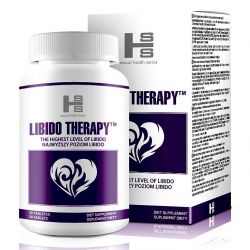
Libido Therapy developed for women who want to naturally increase their libido and derive greater satisfaction from their intimate life. The preparation contains carefully selected ingredients that support hormonal balance, add energy and help reduce stress - key factors in maintaining a healthy sexual drive. Regularly taking capsules can help regain internal harmony and a sense of self-confidence, which will be especially appreciated by women struggling with reduced desire caused by fatigue, emotional tension or natural hormonal changes.

Decreased libido in women – why is stress the main culprit?
Stress affects many aspects of a woman's life, including her sex life. In a state of constant tension, the body activates defense mechanisms aimed at survival, not reproduction. Cortisol blocks the action of testosterone and lowers energy levels, which results in a lack of desire for intimacy. Long-term stress can lead to more serious problems, such as depression or anxiety disorders, which further weaken libido. Therefore, it is important to find effective methods of dealing with stress to maintain hormonal balance and satisfaction in your intimate life.
Can high libido in women be a problem?
Although high libido is usually positive, in some cases excess can cause difficulties. This may be due to hormonal disorders, such as hyperthyroidism, or mental health conditions, such as mania in bipolar disorder, causing significant sexual arousal. In the event of sudden, disturbing changes in the level of desire that make functioning difficult, you should consult a doctor who may recommend diagnosis and treatment.
Women's libido test – when is it worth doing?
Hormonal tests for libido include determining the levels of testosterone, estrogens and prolactin. The test is performed when a woman experiences a long-term decrease in sexual drive or its sudden fluctuations that are difficult to explain. In the diagnosis, it is important to take into account physical, emotional and mental factors, such as stress, depression or relationship problems. Comprehensive diagnostics conducted by a gynecologist, endocrinologist and, if necessary, a psychologist or sexologist are recommended to accurately determine the cause and select effective methods to improve intimate life.
Comments
Log in or create an account to post a comment.