

Athlete's foot and nail fungus - how to recognize, treat and effectively prevent it?
Athlete's foot and nail fungus - how to recognize, treat and effectively prevent it?
Fungus of the feet and nails is a problem that affects millions of people - regardless of age or lifestyle. Although this is an embarrassing topic for many, it is actually one of the most common skin diseases. Itching, burning, unpleasant smell or changed appearance of nails are just some of the symptoms that can significantly reduce the quality of life. What's worse, if left untreated, mycosis can spread and come back, so a quick reaction is crucial. In this guide, we explain what foot and nail fungus is, what its symptoms are, where it comes from and what effective prevention and treatment looks like. We will also look at solutions that support the fight against this problem, such as Skinatrin.
What is athlete's foot?
Athlete's foot is a skin infection caused by dermatophytes, yeasts or molds. It most often develops in a warm and humid environment - exactly where our feet spend most of the day.
Lesions usually appear:
- between your fingers,
- on the soles of the feet,
- on the sides of the feet.
Initially, they may not be noticeable, but over time they become more and more bothersome.
What is nail fungus?
Nail fungus is an infection affecting the nail plate and its bed. It most often affects toenails, because there are ideal conditions for the development of fungi.
Characteristic features of nail fungus include:
- nail color change (yellow, brown, white),
- thickening the plate,
- brittleness and brittleness,
- separation of the nail from the nail bed.
Unlike skin mycosis, treatment of nail fungus is usually longer and requires more systematic treatment.
Symptoms of mycosis – what to pay attention to?
Symptoms of ringworm may vary depending on its type and advancement, but there are several warning signals that should not be ignored.
The most common symptoms of athlete's foot:
- itching and burning of the skin,
- redness,
- peeling of the epidermis,
- cracks between fingers,
- unpleasant smell.
Symptoms of nail fungus:
- discoloration of the nail plate,
- nail deformation,
- thickening,
- crumbling,
- nail peeling off.
It is worth remembering that the earlier you notice the symptoms of mycosis, the easier and faster the treatment will be.
Where does mycosis come from?
Mycosis develops where fungi have favorable conditions - heat, moisture and limited access to air.
The most common causes include:
- wearing non-breathable footwear,
- excessive sweating of the feet,
- walking barefoot in public places (swimming pools, gyms, saunas),
- lack of proper hygiene,
- using someone else's towels or shoes,
- weakened immunity.
Who is most at risk?
Some people are particularly susceptible to developing mycosis:
- physically active people (athletes),
- people who frequently use swimming pools and gyms,
- diabetics,
- elderly people,
- immunocompromised people,
- people with hyperhidrosis of the feet.
Why is quick response so important?
Ignoring the first symptoms is one of the most common mistakes. Mycosis does not disappear on its own - on the contrary, it tends to spread.
Lack of treatment can lead to:
- transfer of infection to nails,
- infections of other parts of the body,
- infecting other people,
- deterioration of the appearance of feet and nails,
- a chronic problem that is more difficult to fix.
Quick implementation of appropriate care and treatment of mycosis significantly increases the chances of full recovery.
Prevention of mycosis – how to prevent it effectively?
Prevention of mycosis is crucial for both healthy people and those who have already had contact with the infection.
Foot hygiene
- Wash your feet every day, preferably in lukewarm water.
- Dry the spaces between your toes thoroughly.
- Use a separate foot towel.
Appropriate footwear
- Choose shoes made of natural, breathable materials.
- Avoid tight shoes.
- Let the shoes dry after each use.
Changing socks
- Change your socks every day (and even more often if you sweat a lot).
- Choose breathable materials, e.g. cotton.
Avoiding moisture
- Don't walk barefoot in public places.
- Use flip-flops in the shower at the gym or pool.
Disinfection of shoes and accessories
- Disinfect the inside of your shoes regularly.
- Keep files, scissors and other accessories clean.
Systematic prevention of mycosis can significantly reduce the risk of recurrence.
Skinatrin – support in the fight against mycosis
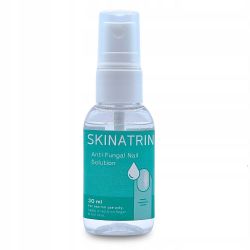
Available solutions supporting the treatment of mycosis include preparations based on active ingredients with antifungal and care properties. One of them is Skinatrin.

How does Skinatrin work?
Skinatrin is a preparation intended for the care of skin and nails affected by the problem of mycosis. Its operation is based on several key aspects:
- supports the reduction of mycosis symptoms,
- helps restore the healthy appearance of skin and nails,
- soothes irritations,
- supports the regeneration of the epidermis,
- helps limit the growth of microorganisms.
Thanks to its formula, it can be used for both foot mycosis and nail fungus.
When is it worth reaching for Skinatrin?
The product may be helpful in situations such as:
- first symptoms of mycosis,
- recurrent infections,
- support during treatment of mycosis,
- prevention in exposed people.
However, it is important to remember that in more advanced cases it is worth consulting a doctor.
Regularity and patience - the key to results
One of the most common reasons for failure in the treatment of mycosis is the lack of systematicity.
To increase the effectiveness of your actions:
- use the preparations regularly, as recommended,
- do not stop treatment after symptoms disappear,
- take care of hygiene and prevention at the same time,
- be patient - treatment of nail fungus may take up to several months.
Consistency is more important here than quick results.
FAQ – frequently asked questions
Is athlete's foot contagious?
Yes, athlete's foot is an infectious disease. It can be infected by contact with infected surfaces or objects.
Will nail fungus go away on its own?
No, nail fungus requires treatment. Without appropriate therapy, the problem usually worsens.
How long does it take to treat mycosis?
It depends on the level of advancement. Treatment of athlete's foot may last several weeks, and nail fungus - even several months.
Can relapses be prevented?
Yes, through appropriate prevention of mycosis, hygiene and the use of supporting preparations.
Are home remedies effective?
Some may alleviate symptoms, but rarely eliminate the problem completely. It is best to use proven preparations.
Can I go to the swimming pool during treatment?
You can, but you should be especially careful - use flip-flops and take care of hygiene.
Summary
Athlete's foot and nail fungus is a common but manageable problem. The key is to quickly recognize the symptoms, appropriate treatment of mycosis and consistent prevention. Support in the form of preparations such as Skinatrin can help with daily care and reduce relapses. If you notice the first symptoms of mycosis, do not postpone action until later. The sooner you start taking care of the health of your feet, the easier it will be to restore their good condition and everyday comfort.
Comments
Log in or create an account to post a comment.